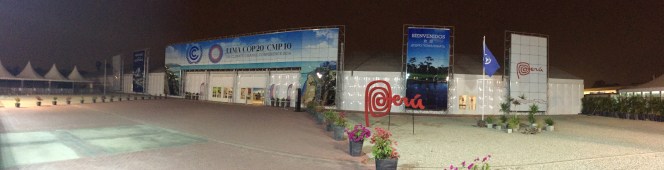
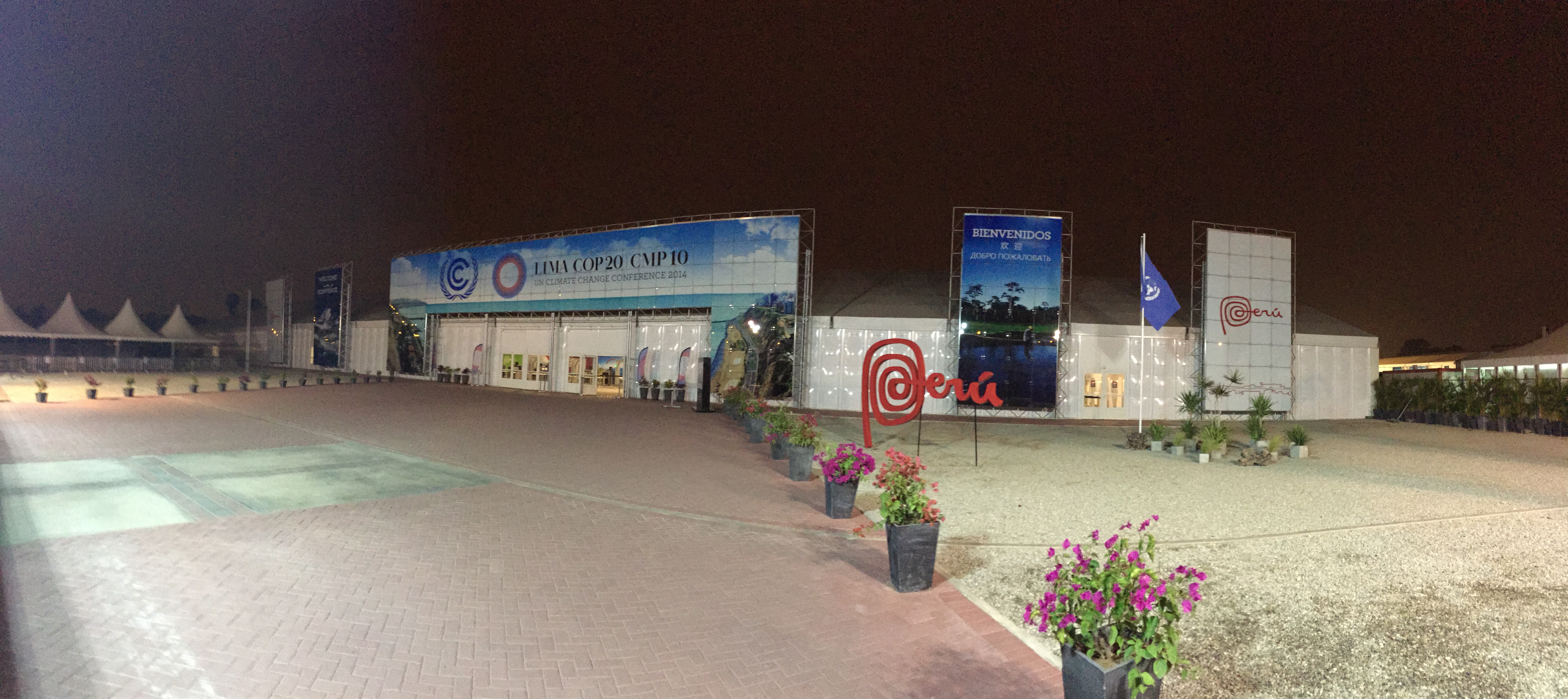
Photo Credit: Sarah Pendergast
Over 30 hours after the scheduled end to the UNFCCC, youth activists, press, and NGOs wait (im)patiently as country delegates review a new draft text. It’s the middle of the night–now nearing 1AM local time–and we are quickly reading the double-sided 4-page document. A smaller crowd of observers remain than the previous two weeks. Many left with early flights– and disillusionment.
Twenty years after 1992’s Earth Summit in Rio de Janiero, Brasil established the UNFCCC and 1994’s first UN climate talks (sidenote: I JUST FOUND COP1’s documents! I DIDN’T EVEN KNOW INTERNET WAS A THING BACK THEN!),
A main hold-up of decisions is a required consensus for decisions. Most political decisions require a simple majority (51%) or even 2/3rds majority, but the UNFCCC process requires full agreement of all member countries. Have you ever been with a few friends, deciding on a place for dinner? Maybe a few have stronger opinions than others, maybe a few don’t make as much money so want a more reasonable option. Regardless, an annoying and hangry (hungry+angry) conversation ensures. Now, imagine you have 190+ countries needing to agree. All have different domestic circumstances, all have a storied history and complicated (and often horrific) relationships with other countries. Two world wars. Oppressive colonialism. Power dynamics.
After marking up my text like the policy nerd I am, I’m heading back into the plenary (or main meeting hall). Country delegates have been meeting for the past hour in closed rooms, deciphering the English jargon to their native languages, and specifying their “red lines,” or the issues for which they will not and cannot budge. In all other topics, the text may become too vague to make an impact on the air pollution crisis already endangering people in communities across the world.
Civil society–those youth activists, press, and NGOs–stand by to remind negotiators that the world is watching. It’s not waiting, but it’s watching. Expecting our decision makers (more discussion on the use of “leaders” in this context later) to fight for what’s needed for the health of us and our planet. For today and for years to come.
What do you think is needed in a UN treaty on air pollution and climate change? How urgent is action?

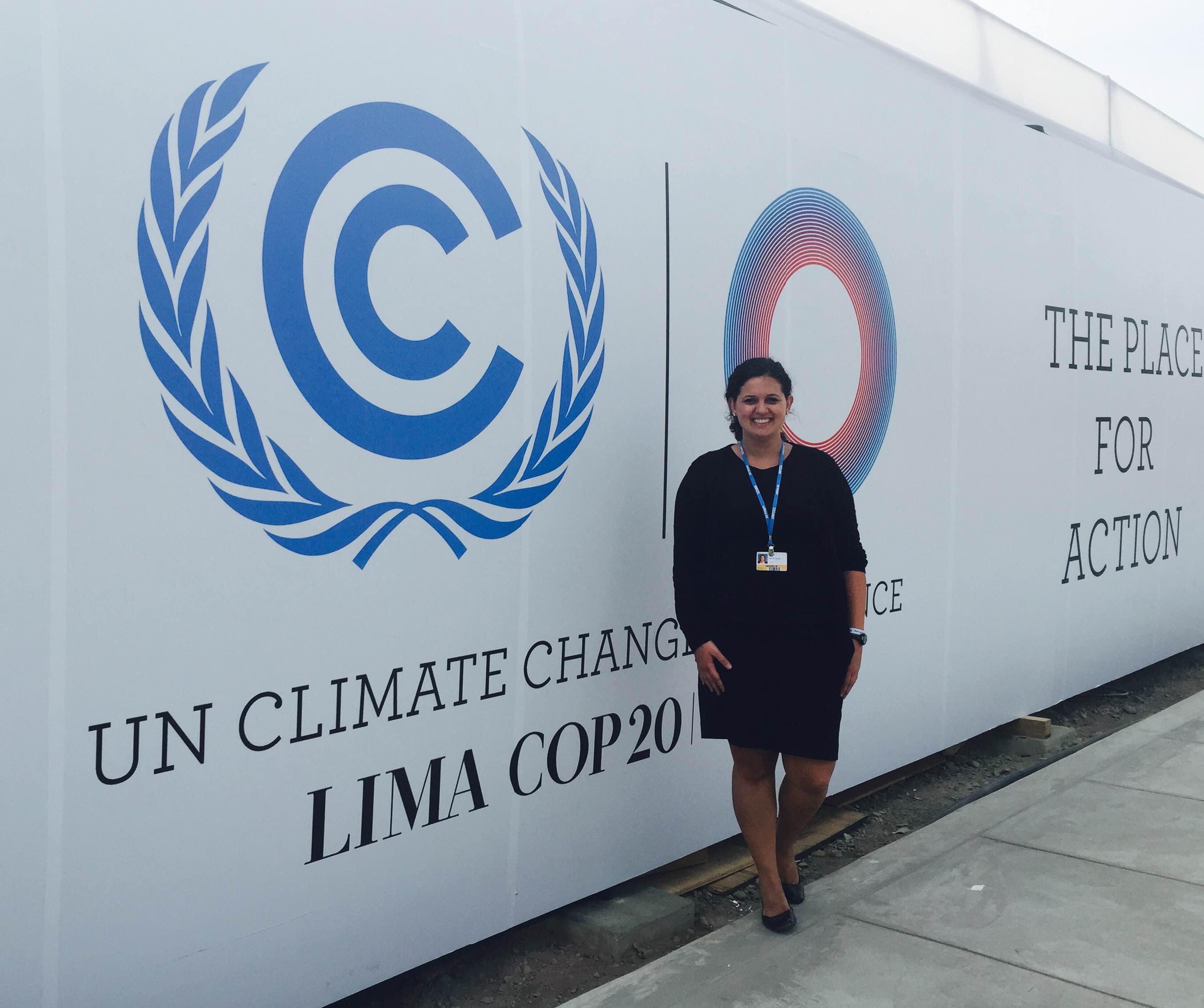


 Sarah Pendergast